
Goldmine Exchange · Deerfield Beach, FL

Need Money but Do Not Want to Sell Your Jewelry Yet

Loans against jewelry provide a way to access value from eligible pieces without committing to an outright sale. When the collateral fits, we document the arrangement clearly so you understand how the jewelry secures the advance and what is required to redeem it.

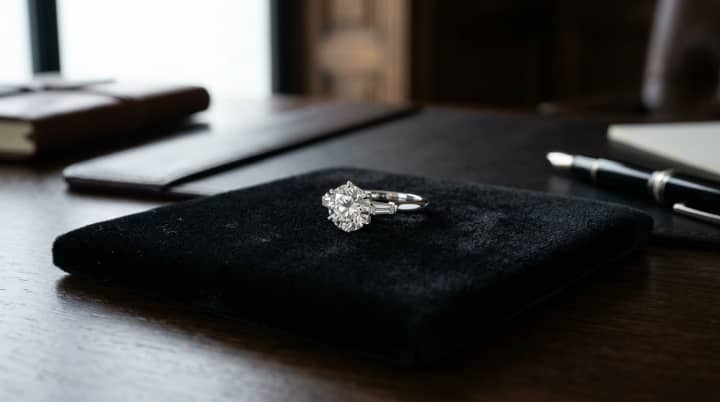
Rings and jewelry for private loans with redemption while retaining ownership

Underwriting looks at authenticity, condition, brand or maker, gemstones, precious-metal content, documentation, and how readily the piece could move in the secondary market if needed. The advance is based on current marketability rather than an original retail price or sentimental replacement value.

Call or start a confidential intake when you want to compare borrowing against a piece with selling the same jewelry outright.

Talk with a specialist

Share photos or schedule a private visit at 204 N Federal Hwy. We respond with clear next steps - never opaque spreadsheets.

Guidance

Frequently asked questions

How do loans against jewelry work?

Your jewelry is evaluated and, if eligible, pledged as collateral for the loan. The written agreement outlines the advance amount, applicable charges, repayment requirements, maturity date, and redemption terms. Once the agreement is satisfied, the pledged jewelry is returned according to those terms.

What types of fine jewelry may qualify?

We may consider signed jewelry, diamond pieces, precious-metal jewelry, estate pieces, and other items with identifiable secondary-market demand. Eligibility depends on the individual asset, so we review the actual piece before determining whether it is suitable for collateral.

How is fine jewelry valued for a collateral loan?

We consider authenticity, maker or brand, metal content, gemstones, condition, documentation, craftsmanship, and current secondary-market demand. These factors help us establish collateral value independently of an insurance appraisal or the amount originally paid at retail.

How much can I borrow against my jewelry?

The available advance depends on the specific piece and its verified marketability. There is no single amount that applies to every item. We need to inspect the jewelry and understand its secondary-market position before discussing an appropriate advance.

Do I need an appraisal before applying?

Not necessarily. Existing appraisals, receipts, certificates, or other documentation can be useful, but we conduct our own review for the collateral transaction. Insurance appraisal value and collateral loan value are calculated for different purposes and may differ considerably.

Can I borrow against inherited or estate jewelry?

Potentially. Inherited and estate pieces may qualify when authenticity, materials, condition, and marketability can be established. Older or unsigned jewelry is evaluated on its individual characteristics rather than age alone.

Is borrowing better than selling my jewelry?

That depends on what you want from the asset. A collateral loan may make sense when you want access to liquidity while retaining the opportunity to redeem the jewelry. An outright sale may be more suitable when you no longer want the piece. We can explain both paths so you can compare them using the same asset.

How do I redeem my jewelry?

Redemption follows the repayment requirements and timeline stated in your written agreement. We review the applicable charges, maturity date, and other relevant terms before you proceed so you understand what is required to reclaim your jewelry.